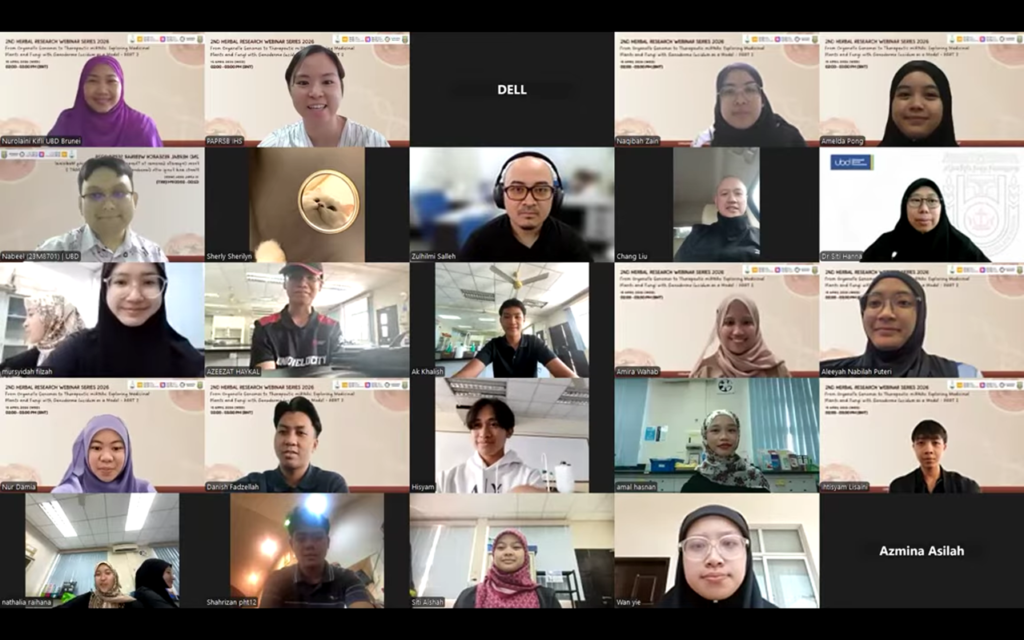

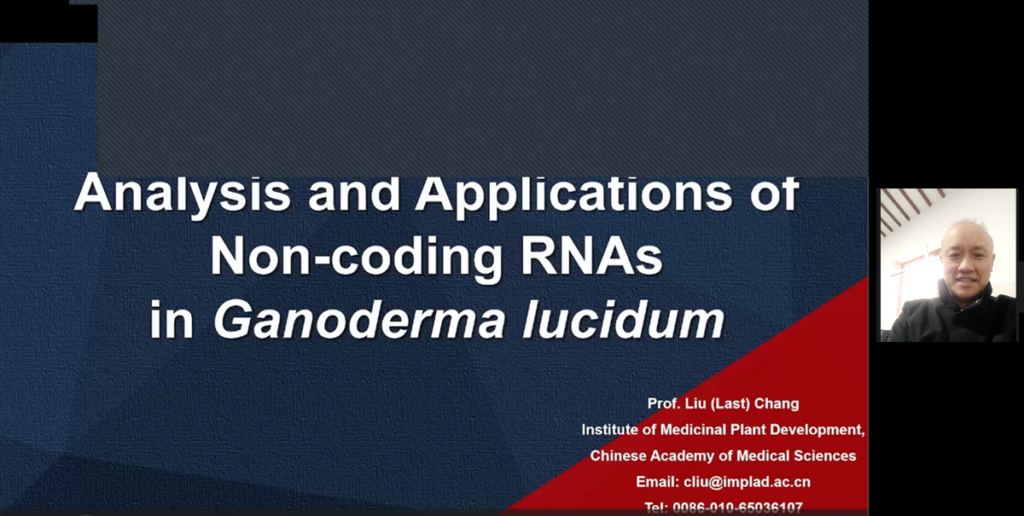
The 2nd Herbal Research Webinar Series 2026, organised by the Herbal Research Group (HRG), Universiti Brunei Darussalam (UBD), was successfully held on 15 April 2026. The session featured Professor Liu Chang, Professor, Doctoral Supervisor, and Deputy Director at the Center for Bioinformatics, Institute of Medicinal Plant Development (IMPLAD), Chinese Academy of Medical Sciences (CAMS), Beijing, China. The webinar served as a continuation of his previous presentation, focusing on advanced genomic and molecular approaches in medicinal plant and fungal research.
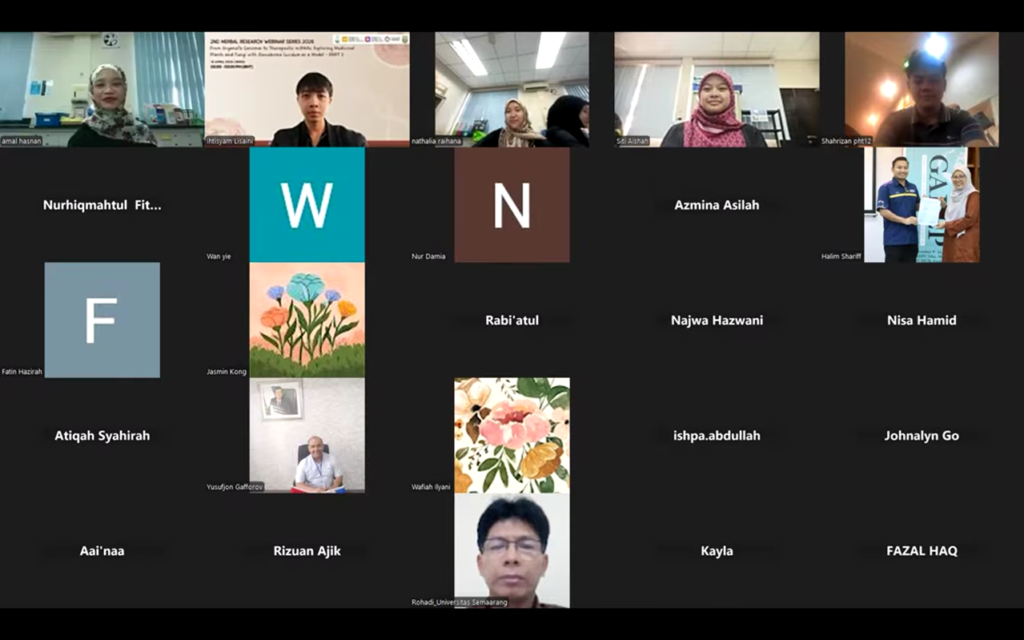
The webinar was attended by 40 participants from diverse institutions, including various faculties of UBD, IBTE Agro-technology and Applied Sciences Campus, Universiti Teknologi MARA (UiTM), United Pharma Sdn. Bhd., Ministry of Health Brunei, and the Health Promotion Centre (Brunei). This diverse audience reflected strong interdisciplinary interest spanning academia, industry, and healthcare sectors.
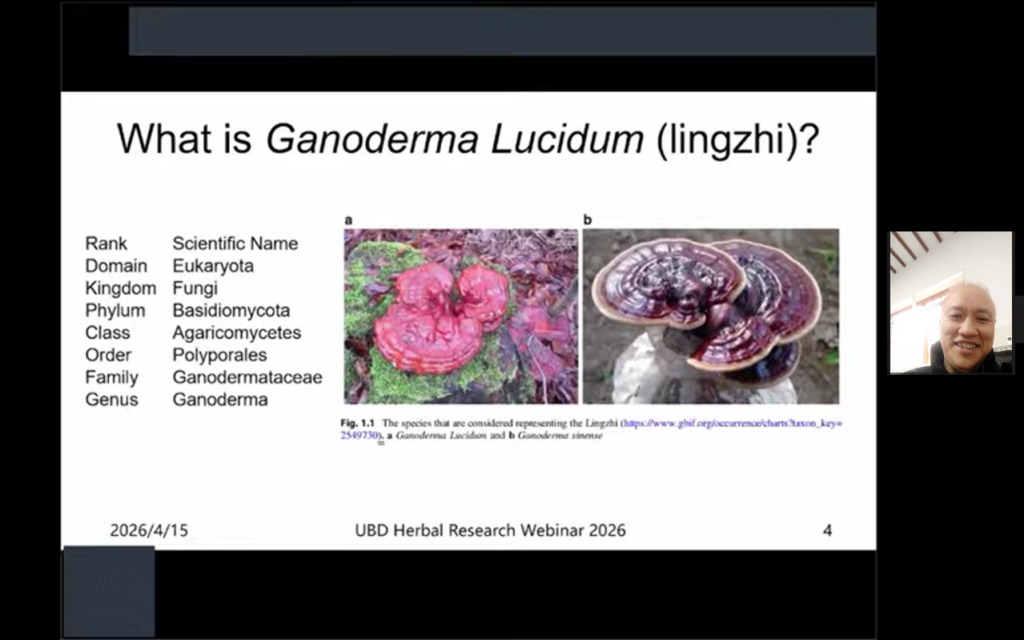
Professor Liu’s presentation, titled “From Organelle Genomes to Therapeutic mRNAs: Exploring Medicinal Plants and Fungi with Ganoderma lucidum as a Model (Part II)”, provided an in-depth overview of over a decade of research on Ganoderma lucidum (Lingzhi). He highlighted the integration of genomics, transcriptomics, metabolomics, and bioinformatics to elucidate the molecular mechanisms underlying bioactive compound production in medicinal fungi. Key insights included the sequencing and analysis of nuclear and mitochondrial genomes, identification of gene clusters involved in secondary metabolite biosynthesis (particularly triterpenoids such as ganoderic acids), and the role of cytochrome P450 enzymes in metabolic diversity.
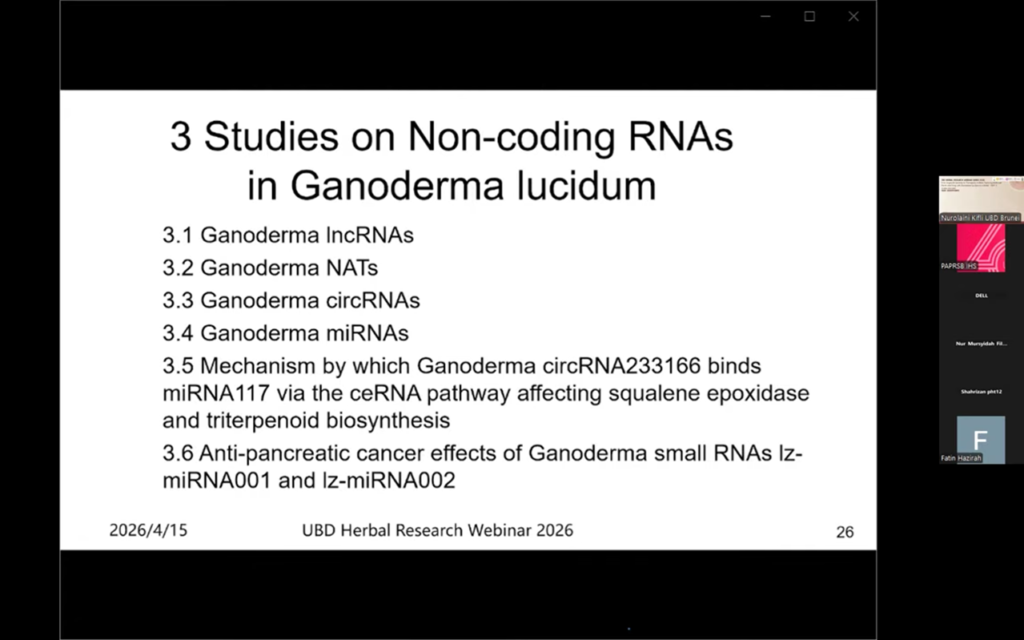
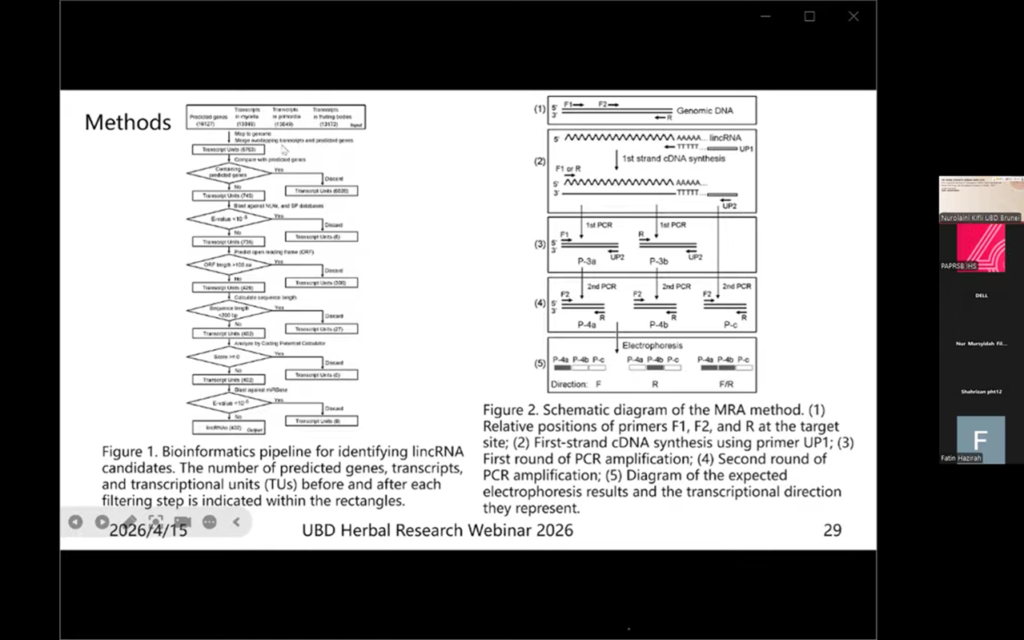
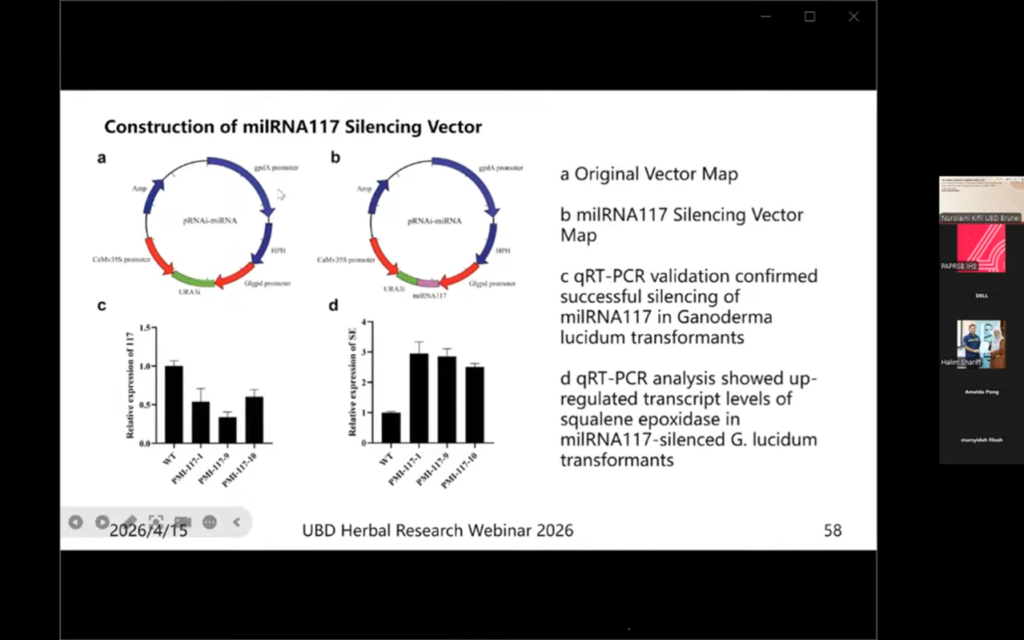
A major focus of the talk was the regulatory role of non-coding RNAs, including long non-coding RNAs (lncRNAs), natural antisense transcripts (NATs), circular RNAs (circRNAs), and microRNAs (miRNAs). These molecules were shown to influence gene expression and metabolic pathways across different developmental stages of Ganoderma lucidum. Notably, Professor Liu presented emerging findings on RNA-based regulatory networks that could be harnessed for strain improvement and targeted enhancement of bioactive compounds.
The session also explored the application of gene-editing technologies (e.g., CRISPR-Cas9) in developing superior fungal strains with improved yield, functional properties, and environmental adaptability. These advancements were contextualised within current industry challenges, including product homogenisation and strain degradation, underscoring the need for molecular breeding strategies.
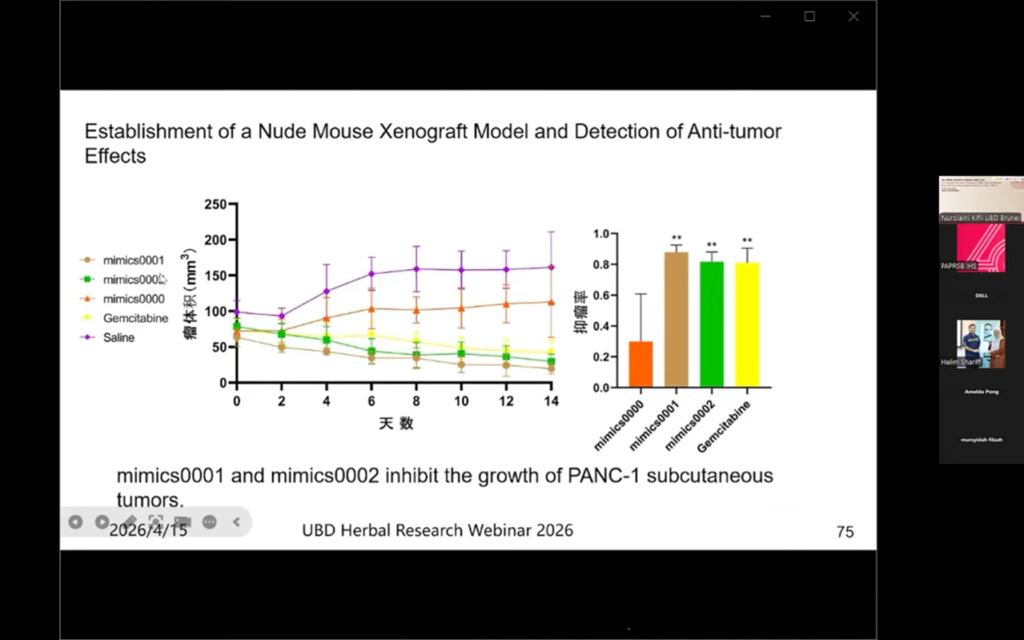
Beyond functional genomics, Professor Liu discussed translational research linking medicinal fungi to therapeutic applications, including the identification of miRNAs with potential anti-cancer properties. Experimental validation demonstrated inhibitory effects on pancreatic cancer cell models, highlighting the future potential of RNA-based therapeutics derived from natural products.
The webinar concluded with an engaging Q&A session, where participants discussed the scalability of such research, the integration of traditional medicine with modern molecular approaches, and the potential for similar studies in Brunei. Overall, the session provided valuable insights into cutting-edge methodologies and reinforced the importance of multidisciplinary collaboration in advancing herbal medicine research.